
Radiology & Interventional Centre

Radiology & Interventional Radiology Centre

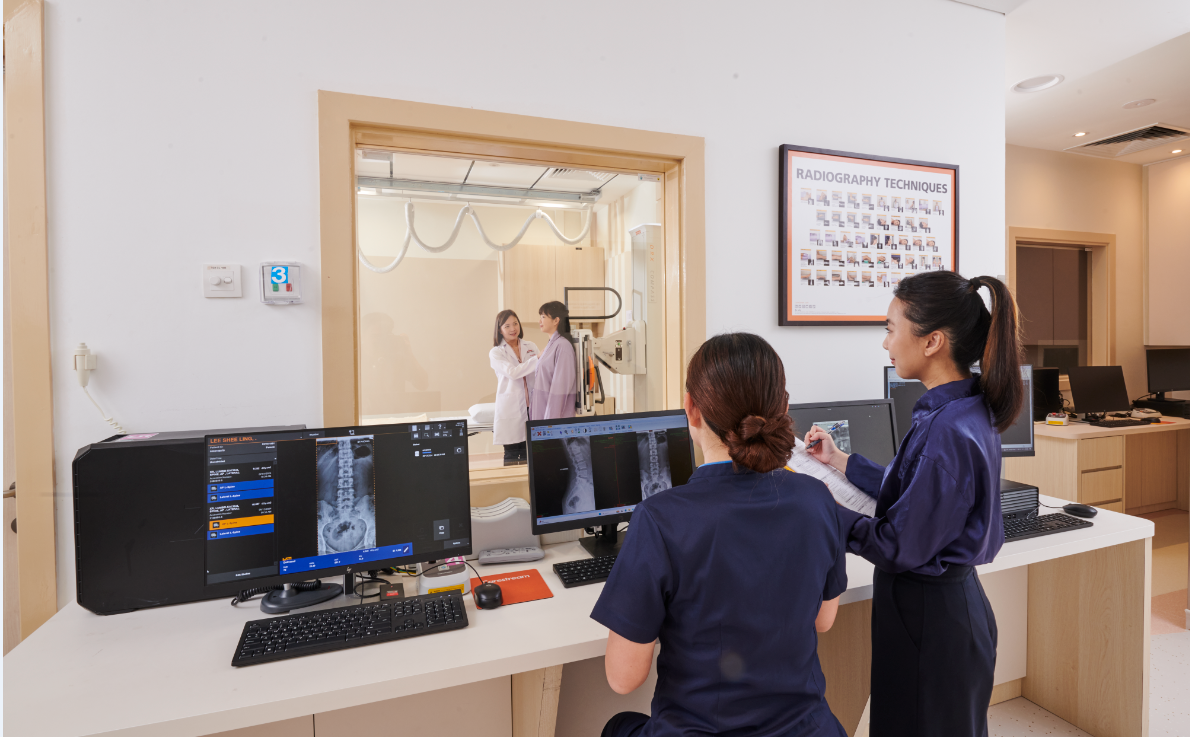
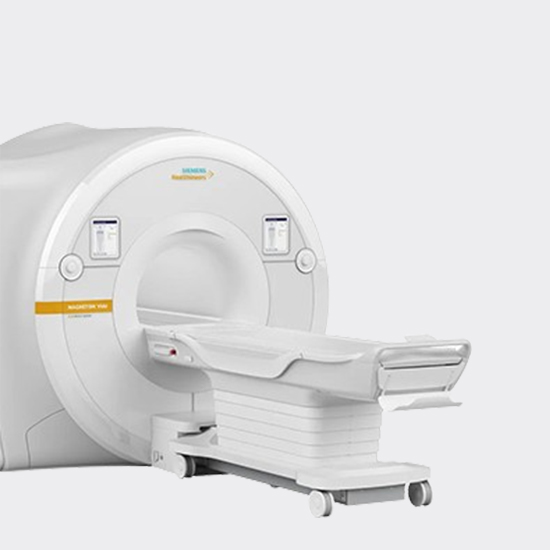
At Sunway Medical Centre, Siemens Multitom Rax bines comprehensive diagnostic and interventional services with one of Malaysia’s most advanced imaging setups in private healthcare. With state-of-the-art X-ray, CT scan, MRI scan, and 3D mammography systems, we deliver fast, precise imaging across a range of medical needs, including wellness check-ups and specialised screenings.
Delivering Comprehensive Breast Health Services

Advanced Technology for Accurate Diagnostics

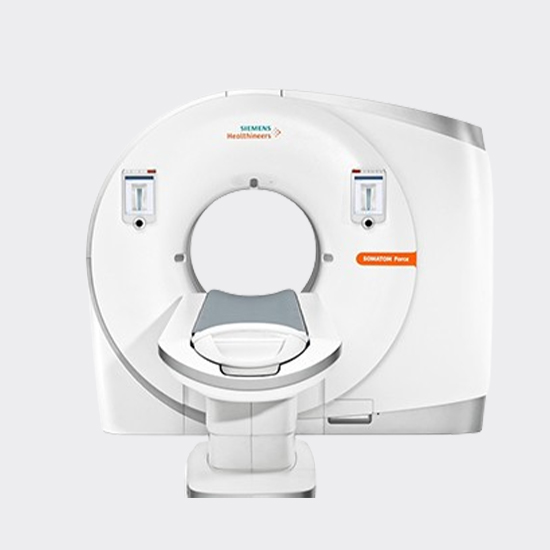
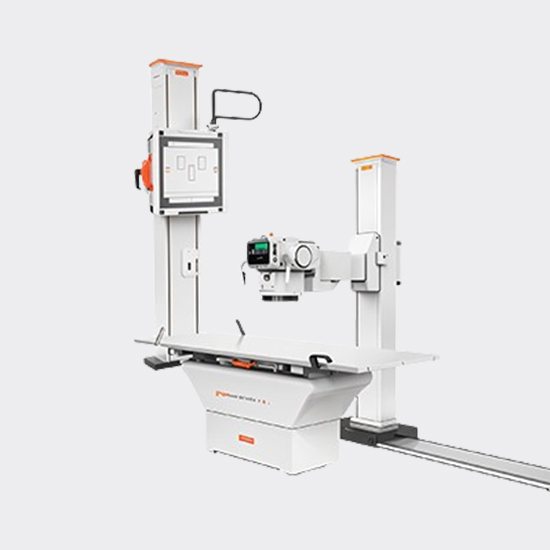
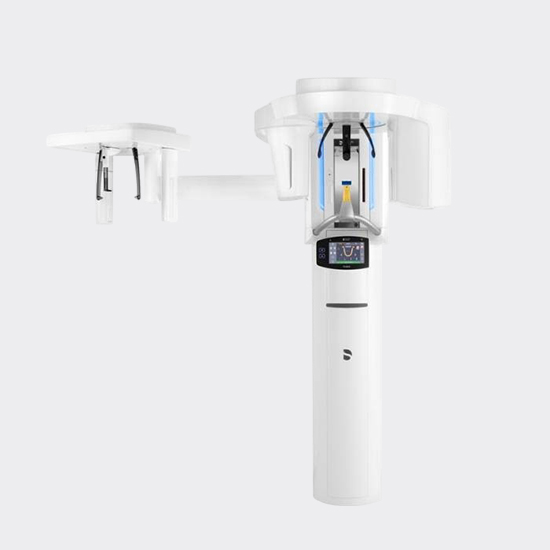
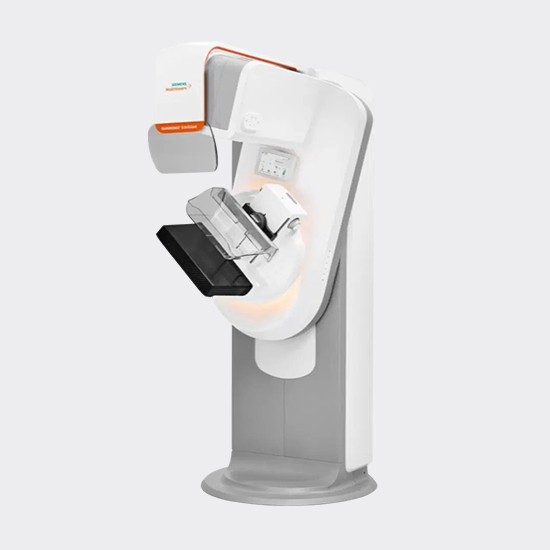
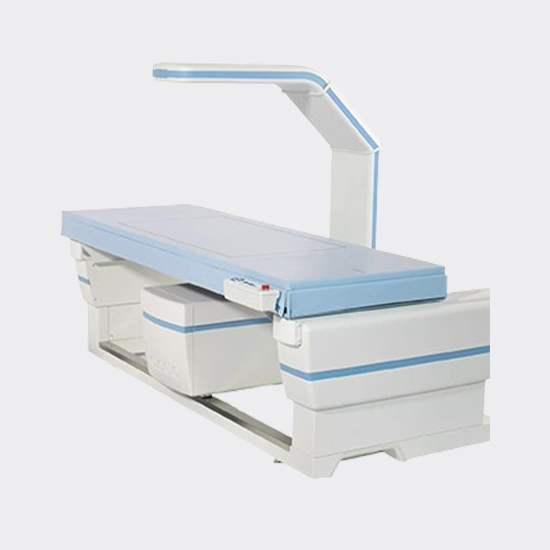
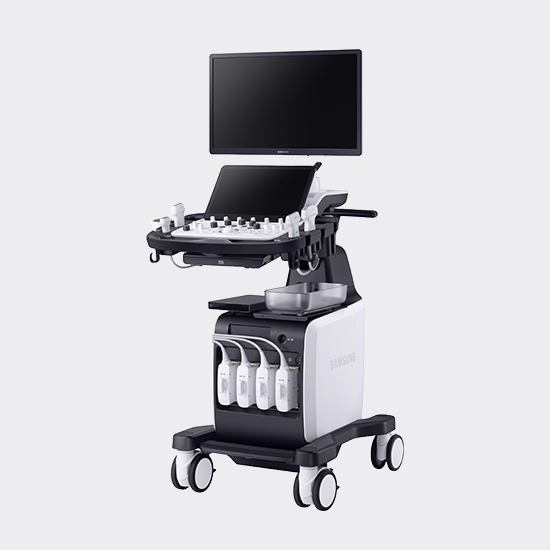
We utilise the latest in medical imaging technology, including state-of-the-art MRI machines, CT scanners, digital X-ray, 3D mammography systems, and more. These advanced machines ensure fast, accurate diagnosis, helping us provide the highest level of care for a wide range of medical conditions.

LEARN MORE

Comprehensive Interventional Radiology Solutions

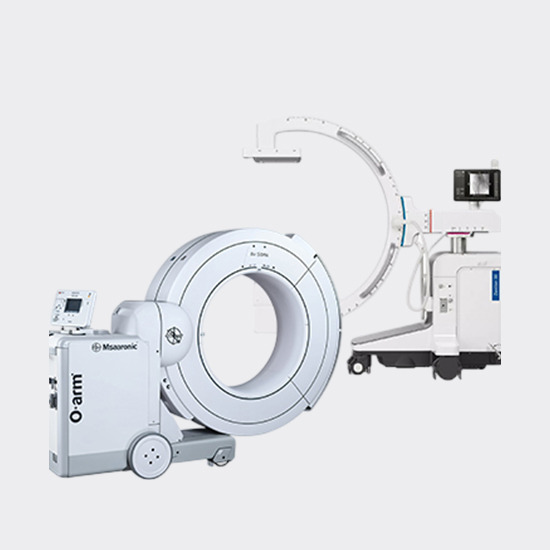
Our interventional radiology services provide minimally invasive treatments for conditions like vascular disease, cancer, and spinal disorders, using advanced fluoroscopy, C-arm, and O-arm systems for precision-guided procedures.

Our specialised interventional neuroradiology services, essential for neurological and spinal treatments, allow for delicate procedures such as aneurysm coiling and stroke intervention, using high-resolution imaging to enhance patient outcomes.

Located across Tower A, B, and D, with dedicated facilities in our Pediatric Radiology Emergency Department, we are committed to providing the highest standard of diagnostic and interventional care, ensuring accuracy, safety, and efficiency.

Services and Procedure in Interventional Radiology

Biopsy

A medical procedure that involves removing a tissue or cell sample from the body for diagnostic evaluation. The purpose of a biopsy is to determine a medical condition or illness, such as cancer, or identify the cause of an unexplained lesion, mole, infection or inflammation.

Drainage Catheter Placement

A procedure in which a medical professional inserts a small tube or catheter into the body to drain unwanted fluids or air under imaging guidance. It can be inserted into various parts of the body, including the liver, gallbladder, kidney, chest, or urinary system.

Central Venous Catheter Placement

A central venous catheter is a thin, flexible tube inserted into a large, central vein (most commonly the neck or chest) to deliver fluids, blood, medication, and other therapies to the bloodstream. It’s often used for administering medications or facilitating dialysis.

Embolisation (Chemoembolization / Radioembolization)

A minimally invasive procedure that restricts blood flow to a specific part of the body by injecting particles into blood vessels. This is typically done to block blood flow to tumours or abnormal blood vessels.

Balloon Angioplasty / Stenting

Used to widen narrowed or blocked blood vessels, this is a minimally invasive procedure that uses a balloon attached to a catheter that’s inserted into an artery and is commonly for heart blockage treatment. It’s used to treat arterial atherosclerosis, which is a buildup of plaque (fat and cholesterol) in the walls of blood vessels.

Endovascular Coiling

Also known as coil placement, coil embolisation, or endovascular embolisation, this minimally invasive procedure treats brain aneurysms and arteriovenous malformations by filling them with coils to stabilise the blood vessels.

Thrombolysis

A procedure that uses medications or minimally invasive techniques to break up blood clots and restore blood circulation. It is used to treat blood clots that block blood flow in the brain, heart, or vein as they can cause serious medical conditions like stroke and heart attack.

Ablation (Radiofrequency / Microwave)

A procedure that uses burns to destroy abnormal tissues, including tumours, with precision. It helps break up or insulate the electrical signals that cause irregular heartbeats, aiding the heart in maintaining a normal rhythm.

Services and Procedure in Interventional Neuroradiology

Thrombectomy

A surgical procedure that involves using a device inserted through a catheter to remove a blood clot from a blood vessel, usually the brain, to treat acute ischemic stroke.

Aneurysm Coiling

A procedure that stabilises aneurysm by inserting coils into it to block blood flow. This helps to prevent the aneurysm from growing or rupturing.

Aneurysm Flow Diversion

A minimally invasive procedure that treats brain aneurysm by redirecting blood flow away from the aneurysm. During the procedure, a surgeon uses a catheter to place a soft, flexible mesh tube (stent) into the blood vessel where the aneurysm is located.

Embolisation

Blocking the blood supply to abnormal blood vessels or tumours through a minimally invasive procedure. By injecting particles, coils, or other materials into the blood vessels, embolisation helps control tumour growth, shrink abnormal vessels, or alleviate symptoms such as bleeding or pain.

When Should You Get a Radiology Test

Your doctor may recommend you to go for a radiology test to diagnose or evaluate a medical condition. Here are some common scenarios when a radiology test might be needed:

Unexplained Symptoms

Presistent pain, swelling, or injury that requires further investigation

Screening

Detects potential health issues like cancer, heart conditions, or osteoporosis before symptoms appear.

Monitoring

Track the progress of known conditions, such as cancer or fractures.

Pre-Surgical Assessment

Evaluate specific areas of the body before a surgical procedure.

Follow-Up Care

Check how well a treatment is working or detect any changes in your condition.

Your doctor will recommend the appropriate test based on your symptoms or medical history.

How to Prepare for a Radiology Imaging Procedure?

Preparation for a radiology test depends on the type of procedure. Here's a quick guide to help you get ready:

X-Rays & Basic Ultrasounds

Usually, no special preparation is needed. However, for certain ultrasounds like the abdominal ultrasounds, you may need to fast for 6-8 hours before the test.

CT Scans

If you’re having a CT scan, you may be asked to fast for 4-6 hours, especially if contrast materials (a dye used to help make certain areas of the body show up more clearly on the scan) will be used.

MRI Scans

Before going for your MRI scan, you’ll be asked to remove any metal objects, like jewelleries or watches, as they can interfere with the imaging process. You should also inform the technician if you have any implants, pacemakers, or any metal inside your body.

Mammograms

Avoid applying deodorant, lotion, or powder to your breasts or underarms, as these can affect the images.

Bone Density Tests (DEXA Scans)

Wear comfortable clothing without metal zippers, buttons, or clasps that might interfere with the scan.

As a general rule, you should always follow any specific instructions from your healthcare provider to ensure the procedure delivers accurate and effective results.

Frequently Asked Question (FAQs)

Here, we’ve gathered answers to some of the most common questions about our radiology services. Whether you want to find out the types of imaging tests we offer, how to prepare for your procedure, or what to expect during your visit, we’re here to provide all the information you need. If you have any additional queries, feel free to reach out to us, we’re here to help!

What is a Radiology Test?

A radiology test is a diagnostic tool that uses advanced imaging technologies to capture detailed pictures of the body’s internal structures. These tests help doctors diagnose, monitor, and sometimes treat medical conditions. Aside from that, radiology imaging also provides insights into tissues, organs, and bones.

What are the Purposes of Radiology Tests:

Radiology tests play a significant role in healthcare, serving a wide range of purposes, including:

  • Diagnosis: Radiology helps detect the presence of diseases, injuries, or abnormalities, such as fractures, tumours, infections, or internal bleeding with precision.
  • Monitoring: These tests track the progression of conditions and evaluate the effectiveness of treatments. For example, they can monitor cancer response to therapy or healing process of fractures.
  • Screening: Radiology is also used to identify potential health issues early, even before symptoms develop. Common examples include mammograms for breast cancer or CT scans for lung cancer.
  • Intervention: Real-time imaging guides minimally invasive procedures such as biopsies, stent placements, or fluid drain insertions.

Common Radiology Tests:

We provide a wide range of radiology tests, including:

  • X-rays: Visualise bones, lungs, and other dense structures.
  • Ultrasound: Use sound waves to image soft tissues, such as in pregnancy or abdominal organs.
  • CT Scan: Provide detailed cross-sectional images of the body.
  • MRI: Use magnetic fields and radio waves to image soft tissues, such as the brain or joints.
  • Mammography: Specifically used for breast imaging.
  • Fluoroscopy: Real-time X-ray imaging, often for guiding procedures.
  • Bone Density Scan (BMD): Assess bone strength and diagnose osteoporosis.
When Should You Get a Radiology Test?

Your doctor may recommend you to go for a radiology test to diagnose or evaluate a medical condition. Here are some common scenarios when a radiology test might be needed:

  • Unexplained Symptoms: Persistent pain, swelling, or injury that requires further investigation.
  • Screening: Detects potential health issues like cancer, heart conditions, or osteoporosis before symptoms appear.
  • Monitoring: Track the progress of known conditions, such as cancer or fractures.
  • Pre-Surgical Assesment: Evaluate specific areas of the body before a surgical procedure.
  • Follow-Up Care: Check how well a treatment is working or detect any changes in your condition.

Your doctor will recommend the appropriate test based on your symptoms or medical history.

How to Prepare for a Radiology Imaging Procedure?

Preparation for a radiology test depends on the type of procedure.

● X-Rays & Basic Ultrasounds:

Usually, no special preparation is needed. Fasting 6-8 hours for some cases.

Is an Imaging Procedure Safe?

Imaging procedures are generally safe and widely used in healthcare to diagnose and monitor medical conditions. However, like any medical test, they may involve some risks, depending on the type of procedure. For most diagnostic imaging, such as X-rays, CT scans, and MRI, the benefits typically outweigh the risks.

Radiation Exposure

Some imaging tests, like X-rays and CT scans, uses small amount of radiation. Your doctor will ensure the lowest radiation dose necessary is used.

Contrast Dye

For tests like CT scans and MRIs, contrast dye may be used to enhance the images. This is safe for most people, but there is a small risk of an allergic reaction or kidney problems.

How Long Does a Radiology Test Take?

Typically, a radiology test lasts between 15 to 45 minutes, depending on the procedure.

Will the Procedure Be Painful or Uncomfortable?

Most radiology procedures are not painful, but some may cause mild discomfort depending on the type of test.

For imaging procedures like X-ray or ultrasound, there is typically no pain. While mammograms are painless, it can cause temporary discomfort due to breast compression.

How Soon Will the Results of My Imaging Test Be Available?

In urgent situations, preliminary results are typically available within 1 hour. For non-urgent cases, reports are typically ready within 1–2 hours.

Will My Insurance Cover the Imaging Procedure, and What Will It Cost?

Most insurance plans cover diagnostic tests. It's recommended to contact your insurance provider to confirm coverage.

How Accurate are the Results, and Will I Need Additional Tests?

The accuracy of imaging tests is generally very high, but no test is 100% accurate. Your doctor might recommend additional tests (like a biopsy) to confirm a diagnosis.

What is Interventional Radiology?

Interventional radiology (IR) is a medical specialty that uses imaging techniques to guide minimally invasive procedures performed through small incisions.

Benefits of Interventional Radiology:

  • Less Invasive: Smaller cuts, less pain.
  • Faster Recovery: Shorter hospital stays.
What is the Difference Between Radiology and Interventional Radiology?

Radiology focuses on diagnosis, while interventional radiology uses imaging to both diagnose and treat.

What Conditions Can Interventional Radiology Treat?

Includes vascular conditions, certain cancers, kidney issues, uterine fibroids, and spinal fractures.

Do I Need Someone to Drive Me Home After an Interventional Radiology Procedure?

Yes, it is recommended to arrange a ride as sedation may make you feel drowsy.

How Long is the Recovery Period After an Interventional Radiology Procedure?

Generally shorter than traditional surgery. Most return home same day; full recovery takes 1-2 weeks.

Get in Touch with Us

Please reach out to us for further inquiries or to book an appointment.

fax
+603-7491 1470
email
Monday - Friday:
8.30 am - 5.00 pm
Saturday:
8.30 am - 1.00 pm
location
5th Floor, Tower A
Got a Question?
Talk to Us
International
Patient Support
general whatsapp
General Enquiries
Clinician whatsapp
Ask a Clinician
Find A Doctor
new